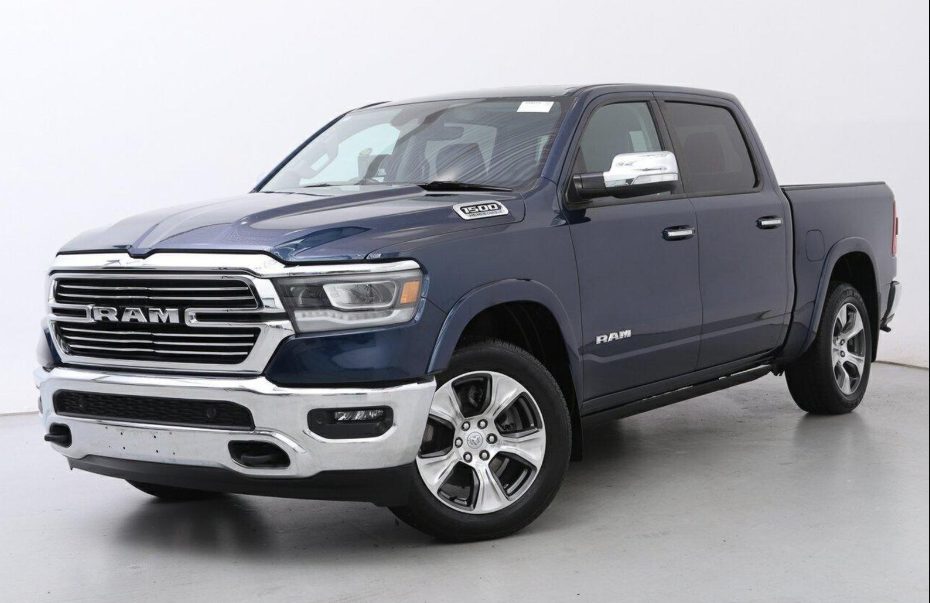
Full-size American pickups have gone from niche to mainstream on the Sunshine Coast, and the used market has grown with them. But not every RAM, Silverado, GMC or F-Series on the market is equal. The engineering under the skin is proven and generally strong; the variable is what happened to the truck after it left the factory, on the way to becoming a right-hand-drive Australian vehicle. This guide is a practical, question-by-question checklist for anyone about to buy a used American pickup or ute in Australia.
Is it safe to buy a used American truck in Australia?
Yes, provided you check the right things. The factory drivetrain, chassis and body are the same engineering used across North America in huge volumes, so mechanically these are well-proven vehicles. The risk in the Australian market sits almost entirely in the remanufacturing process — the conversion to right-hand drive — and in how well the truck has been maintained since. A truck converted properly and serviced on schedule is a very different proposition to one that was rushed through a low-cost conversion and then neglected.
Who converted it, and was it done properly?
Every American pickup sold new in Australia is remanufactured locally to right-hand drive, because none are built in RHD at the factory. Quality varies between remanufacturers and even between early and later production runs from the same one, as processes matured. Before you inspect anything else, ask who did the conversion, whether it was completed under a Registered Automotive Workshop Scheme (RAWS) approval or a full volume approval, and ask the seller for the compliance plate details and paperwork in writing. If a private seller can’t produce this, treat it as a warning sign rather than a paperwork formality.
What compliance documents should I ask to see?
- The vehicle’s compliance plate and matching VIN
- Evidence of which remanufacturer completed the RHD conversion
- Any engineering certificates for non-standard modifications (lift kits, towing hardware)
- State registration papers matching the compliance details
- A REVS or PPSR check confirming no money owing and no reported write-off
How do I check the quality of the RHD conversion itself?
This is the single biggest variable in the used American truck market, and it’s the part most buyers skip because it isn’t obvious from a test drive around the block. Take your time in the cabin and underneath the truck, ideally in daylight, and don’t be rushed by the seller.
- Dash fit and finish — gaps, rattles and mismatched trim panels hint at a rushed job
- Steering shaft, linkage and pedal box installation quality, checked for play and correct geometry
- Wiring looms: factory-style routing and connectors, not hand-crimped joins or exposed splices
- Wiper pattern and headlight aim converted correctly for driving on the left
- Water leaks around relocated firewall penetrations, especially after rain or a hose test
- Indicator, cruise control and infotainment stalks working exactly as they should, with no warning lights from mismatched modules
What service history should a used truck have?
A 120,000 km truck with complete, itemised records is a better buy than an 80,000 km truck with none. Odometer reading alone tells you very little about a modern American pickup; what matters is whether the fluids that get neglected have actually been changed. Look specifically for transmission and differential (and transfer case, on 4x4s) servicing, not just engine oil changes — these are the items most often skipped by previous owners and the most expensive to put right if they’ve been ignored.
How often should these trucks be serviced?
Minor services are generally due around every 12,000 km or 12 months depending on the model and duty, though towing and heavy use shorten that interval. Ask the seller for the last three logged services minimum, and check the intervals actually line up with the odometer readings rather than being clustered around the sale date.
What are the model-specific faults to check on a used American truck?
Each drivetrain has its own known weak points. None of these are necessarily deal-breakers, but they’re exactly what a specialist pre-purchase inspection should be scanning and listening for, and they’re worth asking the seller about directly.
| Truck | Check for |
|---|---|
| RAM 1500 HEMI | Lifter and camshaft noise on cold start |
| RAM 1500 eTorque | 48V battery and belt-starter-generator faults |
| RAM 2500/3500 Cummins | EGR cooler leaks, DPF history, turbo actuator condition |
| Silverado Duramax | Injector balance rates, fuel system service history |
| Silverado/GMC petrol V8 | AFM/DFM lifter faults, oil consumption |
| Ford F-150 EcoBoost | Cam phaser rattle, timing chain wear |
| Ford F-250/350 Power Stroke | EGR, DPF and exhaust back-pressure history |
RAM 1500 vs Silverado 1500 vs F-150: which is the safer used buy?
All three are common on the Sunshine Coast and all three are capable trucks when well maintained. The honest answer is that model choice matters less than the specific truck’s conversion quality and service history — a well-cared-for example of any of the three beats a neglected example of the “safest” one on paper. That said, the table below summarises the general character differences buyers ask us about most.
| Model | Typical strength | Typical watch point |
|---|---|---|
| RAM 1500 (HEMI/eTorque) | Strong V8 torque, well suited to towing | eTorque electrical faults on early builds |
| Silverado 1500 | Duramax diesel option, broad parts availability | AFM/DFM lifter wear on petrol V8s |
| Ford F-150 | Lighter, efficient EcoBoost turbo power | Cam phaser and timing chain wear over high kilometres |
Why does a pre-purchase inspection need a full module scan, not just an engine scan?
A generic OBD reader plugged in at a quick roadworthy check only talks to the engine control module, and the engine is rarely where the expensive, hidden faults are hiding in a converted American truck. A proper pre-purchase inspection scans every module — body, chassis, transfer case, trailer brake controller, suspension and airbag systems — and pulls both stored and pending codes. This is especially important on trucks that have had aftermarket towing electronics, lift kits or suspension changes fitted, since poorly integrated add-ons often throw codes that a basic scan will never see.
We carry out pre-purchase inspections on American trucks across the Sunshine Coast from our Caloundra workshop, including a full multi-module scan and a written report you can use to negotiate on price or walk away with confidence. Call 0495 055 559 to book one before you commit to a used RAM, Silverado, GMC or F-Series.
What should I budget for after buying a used American truck?
Beyond the purchase price, budget for an initial service if the history is uncertain, and factor in ongoing running costs that are higher than a standard dual-cab ute simply because of the size and complexity of these vehicles. A minor service at our workshop is a published $469 for 1500-series trucks and $599 for HD-series (2500/3500) trucks. Anything beyond that — from a lift kit certification to a transmission rebuild — will vary too much truck to truck to publish a figure, so we quote those on enquiry once we’ve had a look.
Where can I get a used American truck inspected near Caloundra?
American Truck Centre is based at 46 Regent St, Caloundra, and works exclusively on full-size American pickups and utes — RAM, Chevrolet Silverado, GMC and Ford F-Series — for customers across the Sunshine Coast. Because we work on these trucks every day, we know what a rushed conversion looks like and which drivetrain faults are worth chasing before you sign, rather than after.
Frequently asked questions
- Are converted American trucks reliable?
- The factory mechanicals are generally strong and proven across North America in huge volumes. Most conversion-related problems are electrical or trim quality issues rather than drivetrain faults, which is why inspecting the RHD conversion matters just as much as inspecting the engine before you buy.
- Do you do pre-purchase inspections?
- Yes. Our pre-purchase inspection includes a full multi-module scan — not just the engine — plus a written report covering conversion quality, stored and pending fault codes, and service history gaps you can use to negotiate. Call 0495 055 559 to book one at our Caloundra workshop.
- How much does a pre-purchase inspection cost?
- Pricing depends on the model and how much needs checking, so we quote pre-purchase inspections on enquiry. Call 0495 055 559 with the truck’s details and we’ll confirm a price and availability before you commit to viewing it.
- What documents should I ask a private seller for?
- Ask for the compliance plate details, evidence of which remanufacturer completed the RHD conversion, any engineering certificates for modifications, matching registration papers and a REVS/PPSR check. Missing paperwork on any of these is a genuine reason to walk away or negotiate hard.
- Is a high-kilometre truck with full service history better than a low-kilometre one with no records?
- Usually, yes. Documented servicing — especially transmission and differential fluid changes, not just engine oil — tells you far more about a truck’s condition than the odometer does. A well-maintained higher-kilometre truck is often the safer buy over an unknown low-kilometre one.
- What’s the most common fault found on used RAM 1500s?
- On HEMI models, lifter and camshaft noise on cold start is the most common thing to listen for. On eTorque variants, the 48V battery and belt-starter-generator system is the additional item worth checking, since faults there can be expensive if left unaddressed.
- Should I worry about a lifted or modified used truck?
- Not necessarily, but any suspension, GVM or towing modification needs matching engineering certification and should be scanned for related fault codes as part of the inspection. Poorly integrated aftermarket parts are a common source of hidden electrical faults on modified trucks.
- Do you service the truck after I’ve bought it?
- Yes, we service all full-size American pickups and utes at our Caloundra workshop. A minor service is a published $469 for 1500-series trucks and $599 for HD-series trucks, with anything beyond routine servicing quoted once we’ve assessed the vehicle.
About the author
Lachlan Matthews — Owner
Lachlan owns American Truck Centre in Caloundra and has spent more than 10 years working on American trucks and full-size US pickups. He oversees every job that comes through the workshop, from logbook servicing and diagnostics to suspension, towing setups and transmission work.
Related pages
More guides
RAM 2500 & 3500 Towing Capacity in Australia: Factory Ratings, Hitch Setup & Towing Guide
The brochure number is rarely your real limit. Braked vs unbraked, ball weight, 50mm vs 70mm hitches and how to set up a RAM 2500 or 3500 for heavy caravans.
DPF Problems in American Diesel Trucks: Causes, Symptoms and Legal Fixes
Short trips and stop-start driving are the fastest way to block a DPF. Here's what's actually happening, and what to do about it.
What Does It Cost to Service a RAM 1500 in Australia?
A straight answer on RAM 1500 servicing costs, what's included, and how to keep your warranty intact outside the dealer.