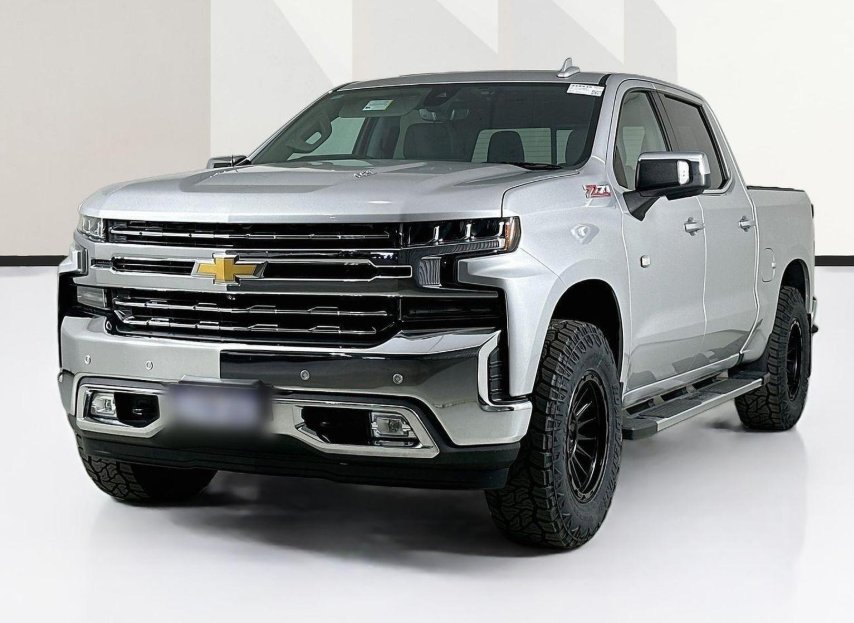
Silverado models we work on
| Model | Common engine | Typical use we see |
|---|---|---|
| Silverado 1500 | 6.2 litre V8 petrol | Family and light towing duty |
| Silverado 2500HD | 6.6 litre Duramax diesel | Caravan and trailer towing, work fleet |
| Silverado 3500HD | 6.6 litre Duramax, SRW or DRW | Heaviest towing, gooseneck/fifth-wheel |
Trim variants — LTZ, Trail Boss, High Country, ZR2 — mostly change ride height, off-road hardware and interior spec rather than servicing needs. Almost all Silverados on Australian roads are remanufactured to right-hand drive; the Duramax, Allison transmission and core electronics remain factory US-spec, while steering and some cabin electronics are converter-specific.
Common Silverado issues
- Duramax fuel system and injector concerns on high-kilometre trucks, particularly on inconsistent fuel quality
- DPF regeneration issues on trucks doing mostly short trips without sustained highway running
- Allison transmission fluid condition breaking down under heavy or frequent towing use
- AFM/DFM cylinder deactivation lifter concerns on the 6.2 petrol V8
- Front-end wear and alignment drift on lifted trucks, especially with larger tyres fitted
- Turbo actuator and EGR cooler wear consistent with other 6.6 Duramax applications
Allison transmission servicing
The Allison in HD Silverados is a genuinely strong unit that rewards clean fluid. If your truck tows regularly we recommend servicing it well ahead of the book interval, with the correct specification fluid and a filter change, plus a transmission cooler check — heat is the main thing that shortens an Allison's life.
Service intervals
Silverado 1500 petrol trucks are commonly on a 12,000 km or 12-month schedule. Duramax-equipped HD trucks are similar on paper, but we recommend closer to 8,000–10,000 km intervals for the Allison fluid and DPF-related checks on any Silverado used for regular towing or short-trip work.
Parts availability
Duramax and Allison components have solid aftermarket and GM-genuine supply channels in Australia given the volume of Silverados now on the road. RHD-conversion-specific steering and trim electronics can be slower to source; we quote realistic lead times upfront.
Services for your Chevrolet Silverado
Frequently asked questions
- How much is a Silverado 2500HD service?
- HD-series minor servicing is a fixed $599, covering Silverado 2500HD and 3500HD.
- How much is a Silverado 1500 service?
- A fixed $469 for the 1500-series minor service, including oil, filter and a full safety inspection.
- Can you diagnose Duramax fault codes?
- Yes. We use manufacturer-level diagnostics with live data and bi-directional testing rather than a generic code reader, which is essential on the Duramax's emissions and fuel systems.
- Are Silverado parts hard to get in Australia?
- Routine service and Duramax/Allison parts are generally available without long delays given the number of Silverados now converted for the Australian market. RHD-specific electronics can take longer.
- Why does my Silverado's Allison transmission feel harsh after towing?
- Heat is the main enemy of the Allison. Frequent towing without a fluid service ahead of the book interval, or a marginal transmission cooler, are the usual causes — we can check both.
- Who can service my Silverado on the Sunshine Coast?
- American Truck Centre in Caloundra is the Sunshine Coast's dedicated specialist for Silverado servicing, Duramax diagnostics and Allison transmission care.
- Can you set my Silverado 2500HD up to tow a caravan?
- Yes — weight assessment, brake controller fitment, and load support setup are all part of our towing setup work for Silverado owners.
- Does regular short-trip driving hurt a Duramax?
- It can — short trips without reaching full operating temperature can prevent proper DPF regeneration, leading to soot loading. We check regeneration history as part of servicing.