How much can you legally lift a truck in Queensland?
The short answer is up to 50 mm total increase in ride height, measured from the vehicle's original, unmodified condition, before certification is required. This 50 mm allowance is set out in the National Code of Practice for Light Vehicle Construction and Modification (VSB14), which Queensland and every other state and territory apply through their own transport legislation. It is not a Queensland-specific number — it's a national baseline — but Queensland's Department of Transport and Main Roads (TMR) is the authority that enforces it locally through registration, roadworthy inspections and defect notices.
The important detail owners miss is that the 50 mm is a combined figure. It doesn't matter whether the increase comes entirely from a suspension lift, entirely from larger tyres, or a mix of both — once the total exceeds 50 mm above standard ride height, the vehicle is technically modified beyond the uncertified limit and needs sign-off before it can legally be registered and driven on Queensland roads.
Do bigger tyres count towards the 50 mm allowance?
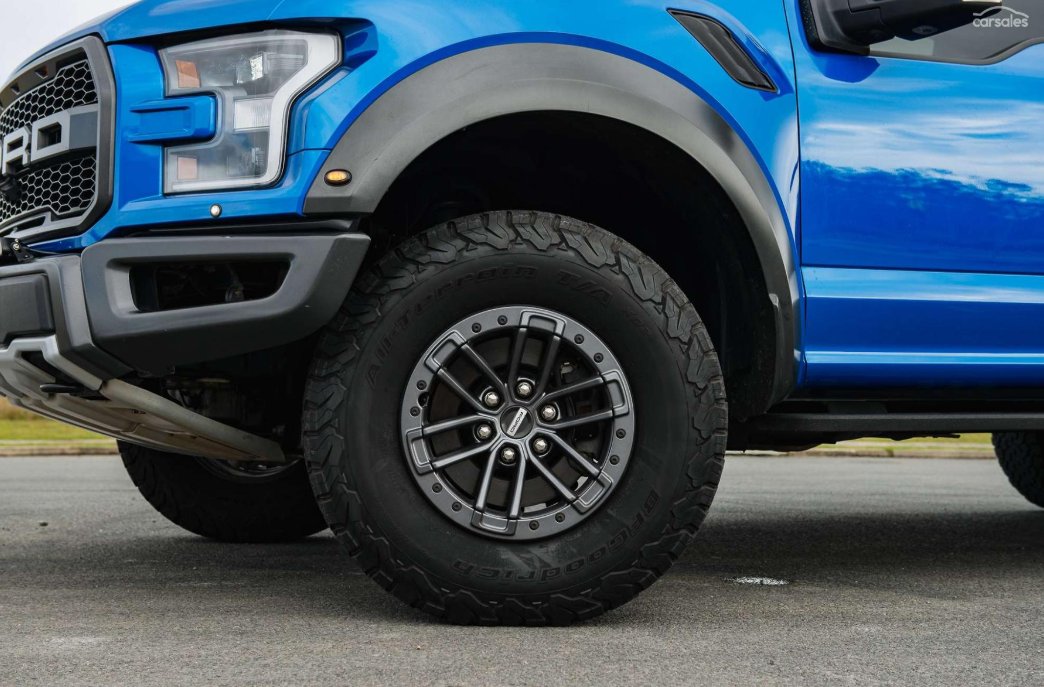
Yes, and this is where most owners get caught out. Fitting a taller tyre raises the vehicle even if the suspension itself is untouched, because a larger overall tyre diameter lifts the axle centre line further off the ground. The commonly used approximation is that roughly half of the increase in overall tyre diameter counts as a ride height increase — so a 40 mm increase in overall tyre diameter is treated as roughly a 20 mm rise in ride height.
| Modification | Approx. ride height effect | Counts toward 50 mm cap? |
|---|---|---|
| 2-inch (50 mm) suspension lift kit | ~50 mm | Yes — uses the entire allowance alone |
| Larger tyres, +40 mm overall diameter | ~20 mm | Yes |
| Larger tyres, +60 mm overall diameter | ~30 mm | Yes |
| Levelling kit (front only, correcting rake) | Varies, typically 20–40 mm front | Yes |
| Air-bag or coil-assist load support (no ride height change unloaded) | Minimal to none | Usually no, if factory height is retained unladen |
A common trap: a 50 mm suspension lift plus tyres that add another 30 mm of overall diameter can easily total 65 mm or more once you count the tyre contribution — well over the uncertified limit, even though the suspension kit alone was 'legal' on the box.
What's the difference between a levelling kit and a full lift kit?
A levelling kit corrects the factory rake — the slightly nose-down stance many American trucks have from the factory, particularly RAM and Silverado HD models set up to carry a load over the rear axle. It raises the front only, typically 20–40 mm, to level the truck rather than lift it overall. A full lift kit raises the entire vehicle, front and rear, and usually includes longer shocks, relocated brackets, and sometimes control arms or a differential drop kit to correct driveline geometry at the same time.
Both count towards the same 50 mm allowance in Queensland. A levelling kit that only lifts the front by 40 mm can still push a truck over the line once tyre size is factored in, even though it looks like a modest change.
What happens if you go over 50 mm without certification?
A truck lifted beyond the uncertified allowance without engineering approval is considered non-compliant. In practice that can mean a defect notice at a random roadside check or during a roadworthy inspection, a registration renewal held up until the vehicle is brought back into compliance or certified, and — critically — a real risk that an insurer treats the vehicle as modified outside its policy terms if you haven't disclosed the change. None of this requires a crash to become a problem; TMR inspectors and RWC examiners are trained to check ride height and tyre size against the compliance plate and factory specification.
What else changes on the truck when you lift it?
Ride height isn't an isolated adjustment. Raising a full-size American ute changes several other systems that need attention regardless of whether certification is required.
- Driveline angles — steeper prop-shaft angles increase vibration and accelerate universal joint and CV wear
- Brake line length and ABS sensor cable slack — lines can be stretched to their limit or chafe against other components
- Headlight aim — must be reset so you're not blinding oncoming traffic or leaving a dark patch ahead
- Camber, caster and toe — geometry shifts with ride height, and tyre life depends on realignment afterwards
- Centre of gravity and stability — a taller, heavier stance changes handling, braking distance and rollover risk, especially under tow
- Speedometer and odometer accuracy — larger tyres mean more distance covered per wheel revolution, so the factory calibration reads slightly low
Insurers ask about modifications after an accident, not before. An uncertified lift outside the allowance is a straightforward, well-documented reason for a declined claim — and it's one of the cheapest things to avoid by doing the paperwork up front.
When do you need an Approved Person or engineering certificate?
If the total ride height increase — suspension plus tyres combined — exceeds 50 mm, the modification falls outside the codes' uncertified allowance and needs sign-off from a person recognised under VSB14, commonly referred to as an Approved Person or Approved Signatory, depending on the modification category and state scheme. They assess the modification against the relevant code (for suspension and ride height, that's typically the LS section of VSB14), and issue the paperwork that TMR requires to update the vehicle's records. This is also the pathway for larger changes such as significant lift heights, or aftermarket bull bars and canopies that interact with structural mounting points.
| Scenario | Certification generally required? | Typical next step |
|---|---|---|
| Levelling kit only, tyres unchanged, total rise under 50 mm | No | Align, reset headlights, keep receipts |
| 2-inch lift kit with same-diameter tyres | Borderline — check exact figures | Have the shop measure actual rise, not just kit nominal size |
| Lift kit plus noticeably larger tyres, combined rise over 50 mm | Yes | Engage an Approved Person before or shortly after fitment |
Does a lift kit affect your GVM or towing capacity?
A lift kit on its own doesn't change GVM (Gross Vehicle Mass) or the truck's braked towing capacity — those figures come from the compliance plate and the drivetrain/chassis rating, not ride height. What it can affect is how the vehicle behaves at those limits: a taller stance raises the centre of gravity, which matters more once you're loaded near GVM or towing near GCM. If you're chasing more payload rather than just clearance, a lift kit won't deliver it. We cover the payload side of this in detail in our guide to RAM 2500 towing capacity in Australia.
Doing a lift the right way on the Sunshine Coast
For owners bringing a RAM, Silverado, GMC or F-Series into our Regent Street, Caloundra workshop, the process we recommend is straightforward and keeps you on the right side of TMR requirements.
- 1Decide what you actually need — extra clearance for touring, or load support for towing? These call for different kits.
- 2Choose a kit with the geometry-correction parts included (control arms, track bar, driveshaft spacers where needed) rather than just longer springs and shocks.
- 3Have us measure the actual combined rise — suspension plus tyre diameter change — against the vehicle's original height, not just the kit's advertised size.
- 4Fit the kit, then align the truck and reset headlight aim before it goes back on the road.
- 5If the combined rise exceeds 50 mm, arrange certification through an Approved Person before relying on the vehicle for everyday driving or towing.
- 6Tell your insurer about the modification in writing and keep all invoices, certificates and correspondence together.
American Truck Centre fits and sets up suspension lift and levelling kits for full-size American pickups, checks driveline and alignment geometry afterwards, and can point you to an appropriate Approved Person where certification is needed. We don't issue engineering certificates ourselves, but we make sure the mechanical side of the job is done properly so the certification process, if required, is straightforward rather than a rebuild.
Will a lift void my warranty or affect servicing?
A suspension modification can affect warranty cover for components it directly interacts with — control arms, ball joints, driveshafts — but shouldn't affect unrelated systems like the engine or transmission, provided the work is done correctly and doesn't cause a failure elsewhere. Regular servicing continues as normal regardless of ride height. Our minor service pricing is $469 for 1500-series trucks and $599 for HD-series (2500/3500) trucks; any lift kit supply, fitment, alignment or certification-related work is quoted on enquiry once we know the vehicle and the kit you're after.
Frequently asked questions
- How much can I lift my truck in Queensland without certification?
- Up to 50 mm total ride height increase, combining suspension changes and larger tyres together, before certification under VSB14 is required. This is a national code figure applied by Queensland's transport authority, not a separate state rule, so the same limit applies if you register interstate too.
- Do bigger tyres count towards the 50 mm limit?
- Yes. Roughly half of any increase in overall tyre diameter counts as a ride height increase, and it's added to whatever your suspension lift already contributes. A lift kit that's fine on its own can push you over the limit once larger tyres are fitted on top of it.
- What's the difference between a levelling kit and a lift kit for Queensland compliance?
- Both count towards the same 50 mm allowance. A levelling kit raises the front only to correct factory rake, typically 20–40 mm, while a full lift kit raises the whole vehicle. Neither is automatically exempt — the combined rise from suspension and tyres is what matters.
- Can American Truck Centre certify my lift kit?
- We fit and set up compliant suspension and reset alignment and headlight aim afterwards, but we don't issue engineering certificates ourselves. Where certification is required we can direct you to an appropriate Approved Person under VSB14 to complete the paperwork.
- Will an uncertified lift affect my insurance claim?
- It can. Insurers typically review modifications after an accident, not before, and an uncertified lift beyond the allowed limit is a straightforward basis for a declined claim. Disclosing the modification in writing and keeping certification paperwork on file is the safest approach.
- Does a lift kit change my truck's GVM or towing capacity?
- No, not by itself. GVM and braked towing capacity come from the compliance plate and drivetrain rating, not ride height. A lift raises the centre of gravity, which affects handling near those limits, but it doesn't increase payload capacity.
- What should I check before buying a used lifted truck in Queensland?
- Ask for the certification paperwork if the combined ride height rise looks like it's over 50 mm, and have the actual rise measured against factory specification rather than trusting the seller's description. Also check alignment, tyre wear patterns and driveline vibration, since these are the areas most affected by an incorrectly set up lift.
- How much does it cost to fit a lift kit at American Truck Centre?
- Lift kit supply, fitment, alignment and any related certification work is quoted on enquiry, since it depends on the truck, the kit chosen and whether geometry-correction parts are needed. Call us on 0495 055 559 or drop in at 46 Regent Street, Caloundra, for a quote specific to your vehicle.
About the author
Lachlan Matthews — Owner
Lachlan owns American Truck Centre in Caloundra and has spent more than 10 years working on American trucks and full-size US pickups. He oversees every job that comes through the workshop, from logbook servicing and diagnostics to suspension, towing setups and transmission work.
Related pages
More guides
RAM 2500 & 3500 Towing Capacity in Australia: Factory Ratings, Hitch Setup & Towing Guide
The brochure number is rarely your real limit. Braked vs unbraked, ball weight, 50mm vs 70mm hitches and how to set up a RAM 2500 or 3500 for heavy caravans.
DPF Problems in American Diesel Trucks: Causes, Symptoms and Legal Fixes
Short trips and stop-start driving are the fastest way to block a DPF. Here's what's actually happening, and what to do about it.
What Does It Cost to Service a RAM 1500 in Australia?
A straight answer on RAM 1500 servicing costs, what's included, and how to keep your warranty intact outside the dealer.